Knowing where to place your home security cameras is just as important as choosing the cameras themselves. Strategic placement helps eliminate blind spots, improves motion detection accuracy, and ensures you capture footage that actually matters. Whether you are installing your first camera system or optimizing an existing one, this guide explains the best indoor and outdoor locations to maximize home protection.
Why Camera Placement Matters
The right placement can determine whether your camera captures a clear, useful video or misses crucial activity. Proper positioning helps:
- Deter intruders
- Identify suspicious behavior earlier
- Increase the effectiveness of alarms
- Provide evidence when needed
- Improve nighttime visibility and coverage
Even high-quality cameras underperform when installed in the wrong spot.
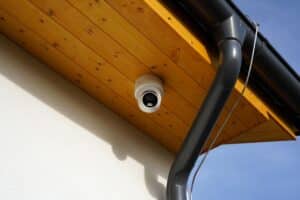
Best Places to Install Outdoor Security Cameras
Outdoor cameras should cover the most vulnerable and high-traffic areas around your home.
1. Front Door (Most Important Location)
Many break-ins begin at the front door. A camera here can clearly capture:
- Faces
- Package deliveries
- Anyone approaching your home
Both video doorbells and mounted cameras work well for this spot.
2. Driveway or Garage Area
Driveways are common locations for suspicious activity. A camera facing this area can record:
- Vehicle movement
- Package theft
- Anyone entering or leaving the property
A driveway camera also helps identify vehicles.
3. Backyard or Rear Entrance
Backyards offer cover for intruders. A camera placed here can monitor:
- Sliding doors
- Fences and gates
- Lower visibility areas
Wide-angle or PTZ cameras are especially effective for large backyards.
4. Side Gates and Pathways
Side entrances are often overlooked. Cameras in these areas:
- Cover blind spots
- Track movement between the front and back yard
- Monitor utility areas and basement windows
5. Basement Windows and Low-Level Access Points
Ground-level windows are common entry points. A camera angled downward can capture motion without reflecting off the glass.
Best Places to Install Indoor Security Cameras
Indoor cameras are most effective when placed in areas with high activity or important visibility.
1. Main Hallway or Central Living Area
Most intruders pass through these areas. A single camera often provides wide coverage.
2. Entryway or Mudroom
A camera here can record anyone entering through the front door, garage, or side entrances.
3. Kitchen or High-Traffic Rooms
These rooms capture general activity and help provide context before and after motion events.
4. Staircases
A camera above the staircase can record movement between floors and capture intruders entering from a basement or side door.
Where Not to Place Security Cameras
To avoid privacy issues and reduce video quality problems, avoid placing cameras in:
- Bathrooms
- Bedrooms
- Directly facing neighbors’ windows
- Areas with strong glare or reflective surfaces
Tips for Better Camera Performance
Small adjustments can significantly improve the effectiveness of your cameras.
- Install Cameras 8 to 10 Feet High
This height helps capture clear facial details while making tampering more difficult.
- Angle Cameras Slightly Downward
A downward angle improves motion detection and reduces glare.
- Avoid Bright Light or Direct Sun Exposure
Harsh sunlight washes out footage. Choose shaded installation spots for better visibility.
- Use Weatherproof Cameras Outdoors
Outdoor cameras should be rated for rain, snow, heat, and cold.
- Pair Cameras with Motion Lights
Motion-activated lighting improves nighttime video quality and helps deter intruders.
Integrating Cameras Into a Full Home Security System
Camera placement is even more effective when combined with:
- Motion sensors
- Door and window sensors
- Smart locks
- Alarm sirens
- Automated lights
Professionally installed systems can map out blind spots and ensure your cameras cover everything they should. This is especially helpful for larger homes or properties with complex layouts.
Wired vs Wireless Cameras
Both can work well, depending on your home and security needs.
- Wired Cameras
Best for permanent installation or continuous 24/7 recording. They do not rely on WiFi and provide consistent video quality.
- Wireless Cameras
Best for easy installation and flexible placement. They are ideal for renters or multi-level homes.
If you need help choosing cameras for continuous recording, you can review:
What Home Security Cameras Record 24/7
Frequently Asked Questions
- How many cameras do most homes need?
Most homes need between three and six cameras to cover entrances, driveways, and main interior areas. - Should security cameras be visible?
Yes. Visible cameras deter intruders more effectively than hidden ones. - Do I need indoor cameras?
Not always. Many homes are fully protected with well-placed outdoor cameras, although indoor cameras can help monitor kids, pets, or entryways. - Is motion detection enough?
Motion detection works for many homes, but continuous recording is better for driveways, backyards, or areas with frequent activity.
Final Thoughts
The best places to install home security cameras are the front door, driveway, backyard, and main interior pathways. These locations provide the strongest coverage and the best chance of capturing important activity. With thoughtful placement and the right mix of cameras, you can protect your home more effectively and reduce blind spots.

